E-Wallet Advancements Fueling Loyalty in Mobile Sports and Table Gaming Platforms
Cameron Wagner · Aug 16, 2026
E-Wallet Advancements Fueling Loyalty in Mobile Sports and Table Gaming Platforms
Digital payment systems have transformed how players interact with sports betting apps and mobile table game platforms, where quick fund transfers reduce downtime and keep sessions flowing without friction. Research from industry analysts indicates that platforms integrating instant e-wallet options see repeat engagement rise by measurable margins, as users avoid the delays associated with traditional banking methods. In portable environments, this efficiency matters because sessions often occur in short bursts during commutes or breaks, and seamless deposits or withdrawals encourage continued participation across both sports odds and live dealer tables.
Transaction Speed and User Engagement Patterns
Payment processing times directly influence how often individuals return to mobile sports and table play applications, since delays can interrupt momentum in fast-paced betting or card rounds. Data compiled by the American Gaming Association reveals that e-wallet users complete deposits in under 30 seconds on average, compared with longer waits for card or bank transfers, and this difference compounds across multiple daily interactions. Observers note that when funds move instantly, players maintain focus on placing wagers or adjusting table strategies rather than navigating verification steps, which leads to extended session durations and higher overall activity levels in these environments.
Portable devices amplify these effects because screen real estate and connectivity vary, yet e-wallets optimized for mobile browsers or apps handle authentication through biometrics or saved credentials. Studies tracking user behavior across regions show that platforms offering Skrill or Neteller integrations report lower abandonment rates during fund transfers, while loyalty metrics such as weekly logins increase steadily. Those who've examined retention curves find that the first three months after adopting e-wallet features often mark the point where repeat usage stabilizes at elevated levels.
Integration Across Sports and Table Play Features
Sports betting sections within mobile apps benefit from e-wallet efficiency during live events, where odds shift rapidly and quick top-ups allow bettors to respond without leaving the interface. Table game environments similarly gain when players can reload chips mid-session at blackjack or roulette tables hosted through the same app, since the same wallet handles both verticals without separate logins or processing queues. Evidence from platform analytics indicates that unified payment rails across these categories create consistent experiences, and users who engage with both sports and tables demonstrate stronger loyalty signals than those focused on single categories.
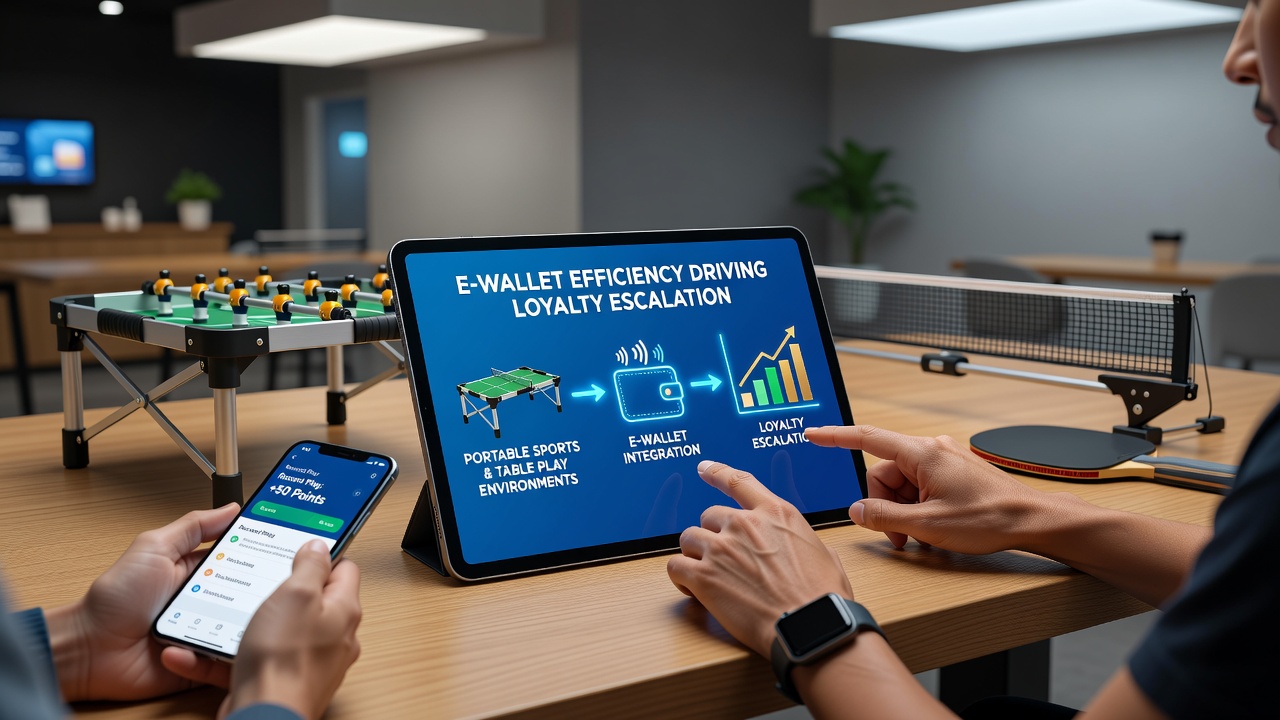
August 2026 brought expanded API partnerships between e-wallet providers and gaming operators in several markets, enabling instant settlement for both in-play sports bets and automated table game bonuses. These updates reduced cross-border transaction friction, particularly for users in multi-currency regions, and early figures reveal a measurable uptick in cross-category play among returning accounts. Researchers tracking these shifts point to smoother cash-out flows as a key factor, because players who receive winnings quickly tend to reinvest portions back into the platform rather than withdrawing entirely.
Retention Data and Platform Comparisons
Comparative reports from the European Gaming and Betting Association highlight that operators prioritizing e-wallet speed outperform peers in retention benchmarks, with monthly active user growth averaging 18 percent higher in segments that adopted streamlined digital wallets. Loyalty programs tied to these wallets further amplify the effect, as points accrue automatically upon deposit and can be redeemed without additional verification layers. People who monitor app store reviews frequently cite payment reliability as a deciding factor when choosing between competing mobile sports and table gaming options.
Geographic variations appear in adoption rates, with markets that support multiple e-wallet brands showing broader user bases and steadier loyalty curves. Transaction logs from these regions demonstrate fewer failed payments and quicker resolution of any processing issues, which maintains trust levels even during peak activity periods such as major sporting tournaments or weekend table game promotions. The pattern holds across both established operators and newer entrants that built their systems around digital wallet infrastructure from the outset.
Security Measures Supporting Sustained Use
Encryption standards and multi-factor authentication within leading e-wallets address concerns that could otherwise deter repeated use in mobile settings. Regulatory frameworks outside the UK, including those overseen by bodies such as the Nevada Gaming Control Board, require verification protocols that balance speed with compliance, and compliant platforms report sustained user confidence reflected in longer account lifespans. Data indicates that when security features operate invisibly in the background, players focus on gameplay rather than account protection steps, which indirectly supports loyalty escalation.
Wallet providers have introduced spending limits and instant notifications that users can customize per session, adding another layer of control without slowing core functions. These tools integrate particularly well with portable sports and table environments because they allow real-time adjustments during active play, and feedback from user surveys shows higher satisfaction scores when such features pair with rapid fund movement.
Conclusion
Overall patterns across available datasets point to e-wallet performance as a measurable driver of loyalty in mobile sports betting and table game applications. Faster processing, unified access across features, and embedded security combine to reduce barriers that previously interrupted engagement, and operators who align their systems accordingly record stronger retention indicators. Continued refinements in payment technology, including those observed around August 2026, suggest these dynamics will persist as portable gaming environments evolve.