Membership Structures and Their Implications for Financial Transactions and Support Mechanisms in Mobile Gaming Environments
Mia Neumann · Aug 25, 2026
Membership Structures and Their Implications for Financial Transactions and Support Mechanisms in Mobile Gaming Environments
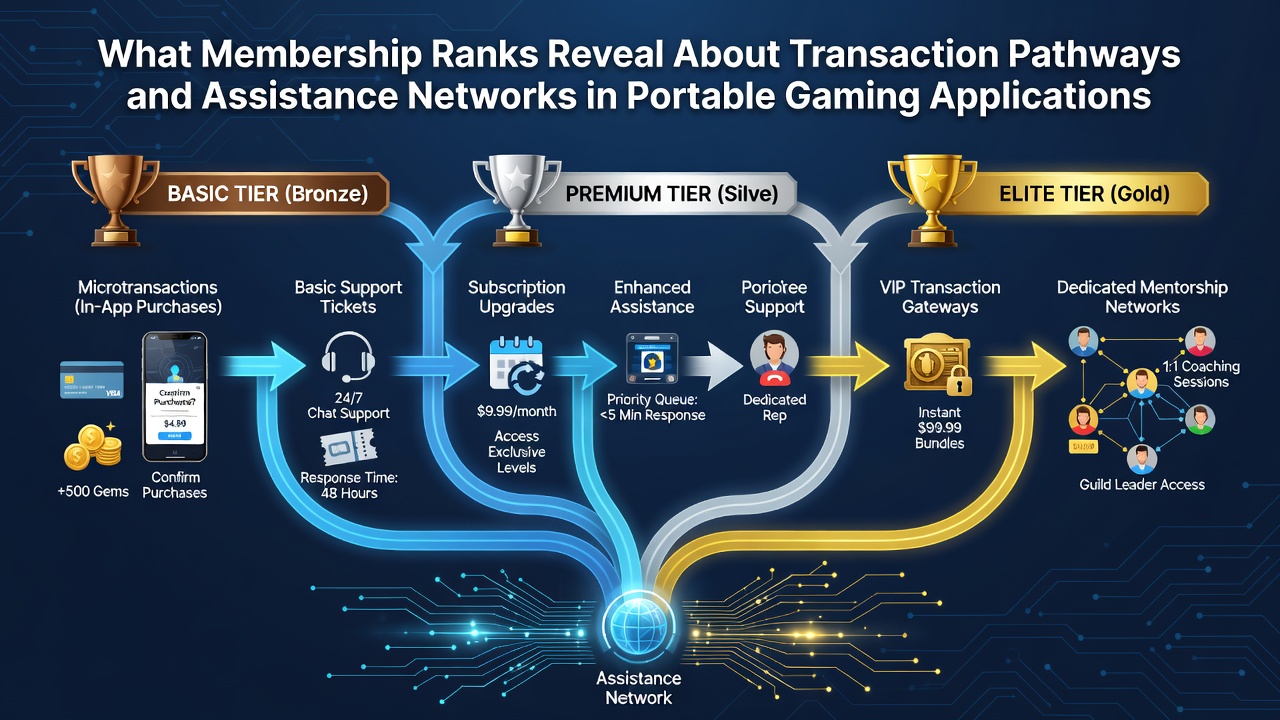
Data from industry analyses shows that membership ranks in portable gaming applications create distinct patterns in how users move funds and access help resources, with higher tiers often unlocking expedited processing routes and dedicated response channels while entry-level ranks follow more standardized procedures that involve additional verification layers. Observers note these differences emerge because platforms design their systems to prioritize retention among frequent participants, and this approach shapes everything from payment speed to the availability of specialized assistance teams.
Defining Membership Ranks Across Mobile Platforms
Portable gaming applications typically structure membership ranks around activity metrics such as total spend, session frequency, and engagement duration, which researchers track through aggregated user data released by major developers. These tiers range from basic access levels open to all participants to exclusive categories reserved for those who demonstrate sustained involvement, and the distinctions matter because they directly influence backend processes for handling transactions and routing support requests. Studies from academic institutions reveal that platforms adjust these criteria periodically, with updates in August 2026 reflecting shifts in user behavior patterns documented across multiple regions.
Transaction Pathways Tied to Tier Status
Higher membership ranks generally connect users to streamlined transaction pathways that reduce the number of intermediary checks during deposits and withdrawals, according to reports from the Entertainment Software Association. Lower ranks, by contrast, route through standard verification sequences that include identity confirmation and payment provider approvals, which can extend completion times by several hours or days depending on the method selected. Data indicates these variations arise from risk assessment algorithms that assign lower scrutiny to established high-volume users, and this setup allows platforms to allocate processing resources more efficiently across their networks. One analysis of mobile gaming transactions found that premium tier participants completed fund movements through direct integration channels with banking partners, whereas base-level users encountered additional authorization steps tied to compliance protocols.
Payment Processing Variations by Rank
Transaction logs from various applications demonstrate that elite membership categories often feature instant deposit options linked to pre-approved wallets, while also granting priority withdrawal queues that bypass initial review queues. Those in mid-tier positions receive moderate accelerations such as reduced minimum thresholds for certain methods, yet they still navigate core security protocols shared with entry-level participants. Research indicates these pathways reflect deliberate design choices that balance speed with regulatory requirements, and platforms update their routing logic based on volume trends observed in August 2026 data sets.
Assistance Networks and Tier-Based Routing
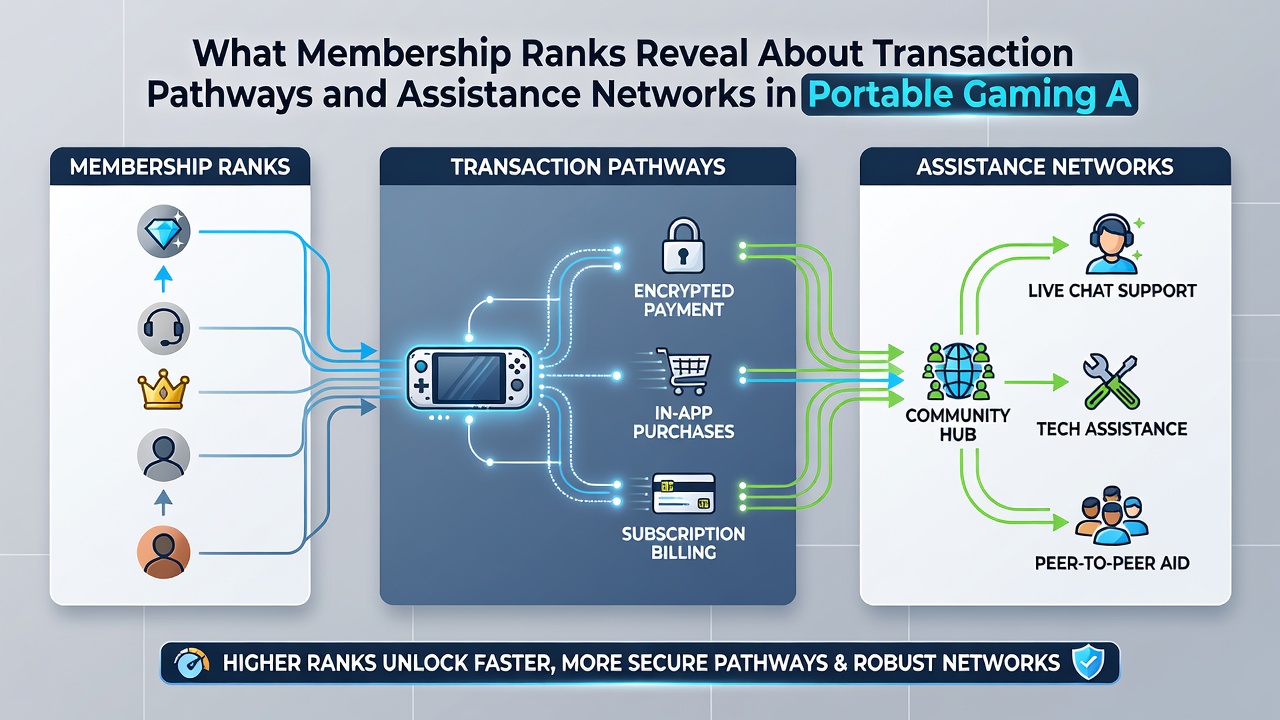
Assistance networks in these applications operate through tier-specific channels that connect users to appropriate response teams, with premium ranks gaining access to dedicated account managers and faster escalation paths. Base-level participants typically enter general support queues that handle inquiries through automated systems before human agents become involved, and this structure allows platforms to manage high inquiry volumes without compromising service for active users. Evidence from platform disclosures shows that higher ranks trigger specialized protocols for complex issues such as account recovery or dispute resolution, whereas standard ranks follow sequential ticket systems monitored for average response metrics.
Patterns Revealed Through Comparative Data
Comparative reviews across multiple portable gaming applications highlight consistent correlations between rank progression and reduced friction in both financial and support interactions, with participants advancing through tiers experiencing measurable improvements in processing timelines. Regulatory bodies in regions outside the UK, including the Nevada Gaming Control Board, have documented how these systems align with broader compliance frameworks that require differentiated handling based on user profiles. What's notable is that assistance networks expand in scope as ranks increase, incorporating priority lines and personalized follow-up procedures that standard users access only after initial triage stages complete.
Broader Implications for Platform Operations
Platform operators adjust transaction pathways and assistance networks continuously to reflect user distribution across ranks, and this ongoing calibration appears in operational reports issued throughout 2026. Those who've examined these systems observe that the architecture encourages sustained participation by delivering tangible differences in speed and access, while maintaining uniform baseline standards for all participants. Data from industry research groups further indicates that such differentiation supports efficient resource allocation without violating established consumer protection guidelines.
Conclusion
Membership ranks in portable gaming applications function as organizational tools that segment transaction pathways and assistance networks according to demonstrated user engagement, producing observable differences in processing efficiency and response prioritization. Information gathered from regulatory filings and industry analyses confirms these structures operate within defined parameters that vary by platform yet follow similar logic across markets. As developments continue into late 2026, the patterns remain consistent with tier status serving as the primary determinant for how users interact with financial and support systems.