Mobile Ecosystems Linking Reel Spins, Real-Time Dealer Sessions, Sports Wagering, and Graduated Rewards Through Protected Networks
Harper Simon · Oct 2, 2026
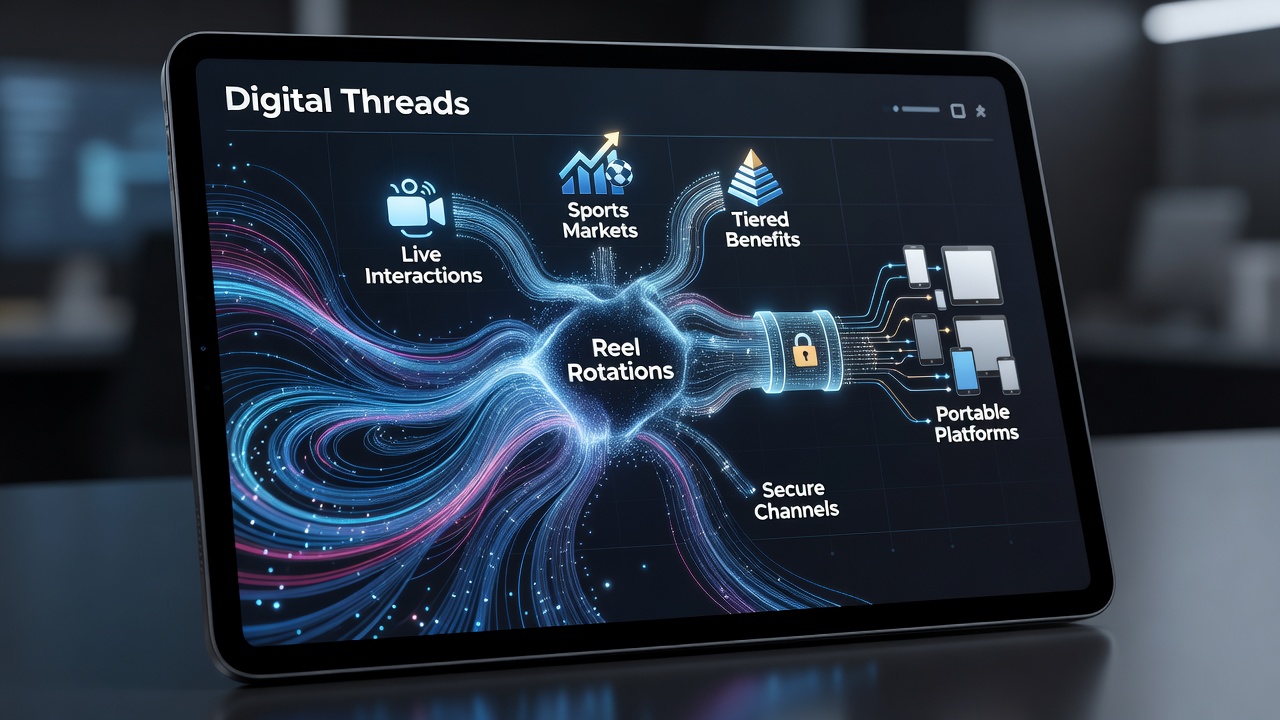
Mobile Ecosystems Linking Reel Spins, Real-Time Dealer Sessions, Sports Wagering, and Graduated Rewards Through Protected Networks
Portable devices now serve as central hubs where spinning reels connect directly to live dealer streams, sports market interfaces, and structured reward programs, all routed through encrypted transmission layers that maintain data integrity across regions. Research from industry monitoring groups shows that operators in multiple jurisdictions have expanded these unified systems since 2024, allowing users to shift between game types without separate logins or wallet transfers.
Data from the American Gaming Association indicates that mobile sessions involving combined features grew steadily through 2025, with particular acceleration in markets where regulatory frameworks permit cross-category access. Observers note that secure channels, often built on end-to-end encryption protocols, enable these transitions while complying with varying local standards for player verification and fund movement.
Core Components in Unified Mobile Systems
Reel rotations form the entry point for many users, yet platforms embed them within larger networks that include live interactions featuring real-time video feeds from studio-based dealers. Sports markets appear alongside these options, displaying live odds that update through data feeds synchronized with the same account balances used for slot play or table games. Tiered benefits, such as progressive access to exclusive events or customized promotions, activate based on tracked activity across all categories, with eligibility calculated through centralized player profiles.
Those who have examined platform architectures report that portable applications achieve this integration by maintaining persistent sessions, where a single authentication token grants entry to every segment. Payment processing occurs over the same secure pathways, supporting deposits and withdrawals that reflect activity from reels, live tables, or sports positions without requiring users to navigate separate portals.
Technological Infrastructure Supporting Cross-Feature Access
Secure channels rely on layered encryption standards that protect both financial transactions and gameplay data as it moves between device and server. Industry reports highlight the use of tokenization techniques that replace sensitive card details with temporary identifiers, reducing exposure during transfers between sports betting modules and slot engines. Live interaction streams employ additional compression and delivery methods that preserve video quality on variable network conditions while remaining isolated from core account ledgers.
By October 2026, several operators had incorporated advanced authentication layers, including biometric checks and device fingerprinting, to meet emerging requirements in North American and Australian jurisdictions. These measures operate alongside existing responsible gaming tools, such as session timers and spending caps, which apply uniformly across reel rotations, dealer tables, and sports selections.
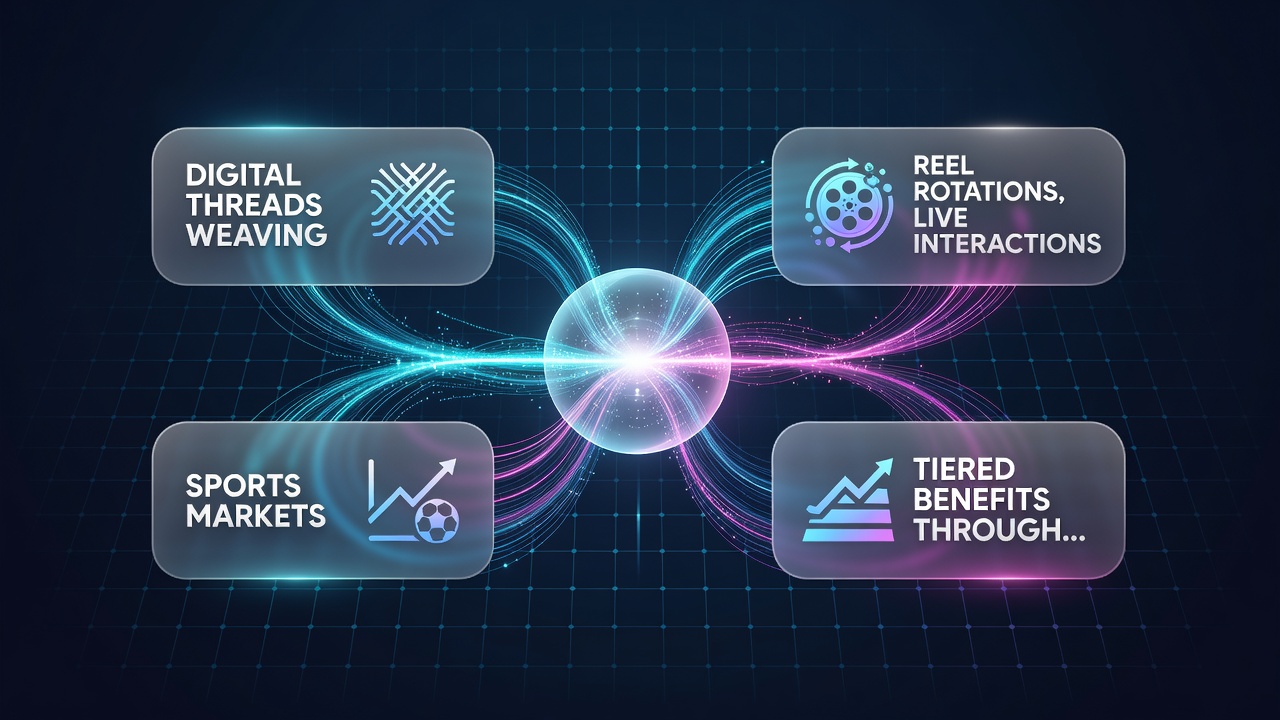
Player Pathways and Reward Structures
Tiered benefits develop through accumulated metrics that span multiple activity types, granting higher-status users access to personalized sports market notifications or priority entry into live dealer events. Research indicates that such structures encourage sustained engagement because progress in one area, such as reel play, contributes to overall standing that unlocks advantages in others. Platforms track these elements through unified dashboards that display current tier status, pending rewards, and qualifying criteria without requiring users to switch applications.
Examples from established operators demonstrate that sports market participants often receive tailored bonus structures based on their combined history with table games and slots, while live interaction enthusiasts may gain early access to new reel titles. These connections occur within the same encrypted environment, ensuring that benefit delivery remains consistent regardless of the originating activity.
Regulatory Context Across Regions
Frameworks in Canada and parts of Australia have emphasized risk-based licensing that accommodates integrated mobile offerings, provided operators maintain separate controls for each product category. Figures from regulatory filings reveal increased scrutiny on data handling practices that span sports wagering and casino-style features, prompting further investment in audit trails and real-time monitoring tools. Operators respond by aligning their secure channels with these expectations, documenting every transition between reel sessions, dealer interactions, and market bets.
What's interesting is how these requirements have driven standardization in payment processing, where funds move through audited pipelines that support both instant sports settlements and scheduled reward distributions. Academic studies on digital gaming patterns continue to track usage across portable platforms, noting steady adoption rates in regions with clear multi-category rules.
Future Developments in Integrated Mobile Gaming
Developers continue refining the connections between core elements, testing features that allow seamless entry from a sports market view directly into a live dealer room while preserving the same reward tier status. Secure channel enhancements, including post-quantum encryption preparations, appear in forward-looking platform roadmaps as operators anticipate evolving compliance needs. Those monitoring the sector report that portable devices will likely host an increasing share of total activity as these threads strengthen.
Conclusion
The weaving of reel rotations, live interactions, sports markets, and tiered benefits through secure channels on portable platforms reflects ongoing technical and operational coordination across the sector. Evidence from regulatory filings and industry data shows consistent expansion of these capabilities, supported by encryption standards and unified account systems that function across jurisdictions. As October 2026 approaches, further refinements in authentication and data protection will shape how users experience these interconnected features on mobile devices.