Payment Integration and Tiered Memberships Driving Mobile Platforms for Slots, Live Interactions, Table Tactics, and Sports Forecasts
Viktor Friedrich · Sep 4, 2026
Payment Integration and Tiered Memberships Driving Mobile Platforms for Slots, Live Interactions, Table Tactics, and Sports Forecasts
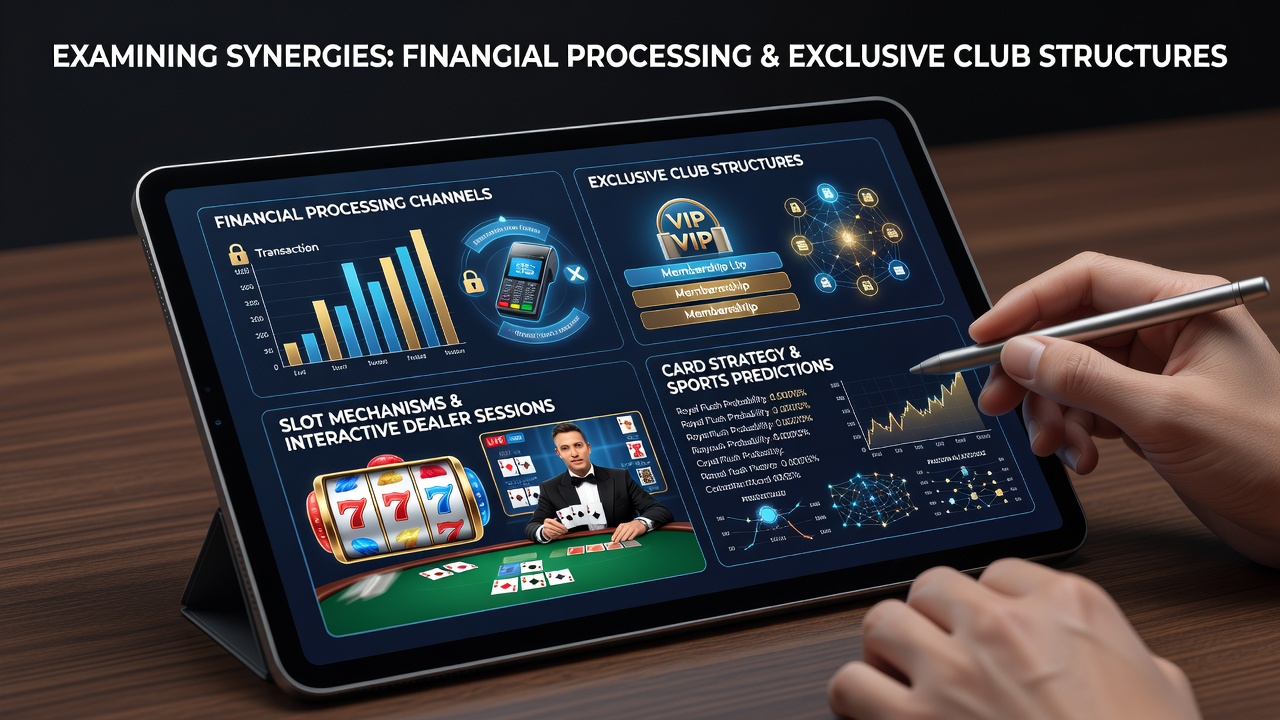
Data from industry reports shows that financial processing channels and exclusive club structures increasingly align within smartphone applications handling slot mechanisms, interactive dealer sessions, card strategy options, and sports predictions; these alignments create streamlined user pathways where transaction speed supports tiered rewards and access levels. Observers note that payment methods such as e-wallets, bank transfers, and digital cards connect directly to membership programs, allowing automatic credit of loyalty points upon deposit completion while higher tiers unlock faster withdrawal processing and personalized game features.
Core Components of Payment and Membership Alignment
Smartphone applications combine secure gateways with club frameworks so that users at basic levels receive standard bonus structures tied to initial deposits, whereas premium members gain entry to exclusive events like private dealer tables or enhanced odds in sports prediction sections. Research indicates that this setup reduces friction because automated verification systems flag qualifying transactions and apply tier benefits without manual intervention; for instance, a deposit processed through an integrated e-wallet can trigger immediate status elevation when spending thresholds are met.
Studies from the Victorian Responsible Gambling Foundation highlight how transaction data feeds into club algorithms that adjust reward scales in real time, ensuring that frequent activity in slots or card strategy sections contributes to progression across membership stages. Those who examine these systems find that security protocols remain consistent across levels even as processing limits expand for top-tier accounts, maintaining compliance standards while accommodating larger volumes of activity in live dealer and sports forecast modules.
Operational Flows Across Game Categories
Slot mechanisms within these applications route winnings through the same payment rails used for club contributions, creating a closed loop where spins generate points that advance membership standing and unlock accelerated fund movements. Interactive dealer sessions operate similarly, with session lengths or wager volumes logged automatically to calculate tier eligibility, and observers report that this data exchange supports dynamic table access for qualifying members during peak hours. Card strategy sections benefit from the same synergy because premium club status often includes strategy tools or reduced house edges funded through processed deposits, while sports predictions integrate live odds feeds that respond to membership level for customized stake options.

As of September 2026, application developers have expanded these connections by incorporating multi-currency support that matches regional payment preferences to local club incentives, allowing users in different markets to progress through tiers using familiar banking methods. Figures reveal that such adaptations maintain consistent security layers, with encryption standards applied uniformly whether a transaction supports a basic slot session or a high-stakes sports prediction placed by an elite member.
Technical and Regulatory Considerations
Application architecture relies on application programming interfaces that link payment processors to membership databases, enabling instant status updates after each verified transaction. According to information published by the National Council on Problem Gambling, these integrations include responsible play features that scale with club level, such as spending trackers visible only to premium members or automated limit suggestions triggered by deposit patterns. Developers ensure that card strategy and live dealer modules receive the same data feeds as sports sections, so tier benefits apply evenly across all categories without creating separate processing streams.
Regional variations appear in how exclusive clubs structure their entry requirements, yet the underlying payment channels remain interoperable; this allows cross-border users to maintain progress when traveling while complying with local transaction rules. The result is a system where financial activity directly powers membership advancement, and membership status in turn streamlines the financial experience for continued engagement in slots, dealer sessions, card play, and prediction markets.
Conclusion
Integrated payment systems and exclusive club structures continue to shape smartphone applications that cover slot mechanisms, interactive dealer sessions, card strategy, and sports predictions by linking transaction efficiency with tiered access and rewards. Data shows these connections operate through shared databases and automated protocols that apply across game types while respecting regulatory boundaries in different jurisdictions. The ongoing development of these synergies supports consistent user progression and operational uniformity within the described mobile environments.