Tracing Transaction Trails: Linking Payment Choices to Loyalty Programs in Cross-Format Mobile Gaming
Viktor Friedrich · Sep 4, 2026
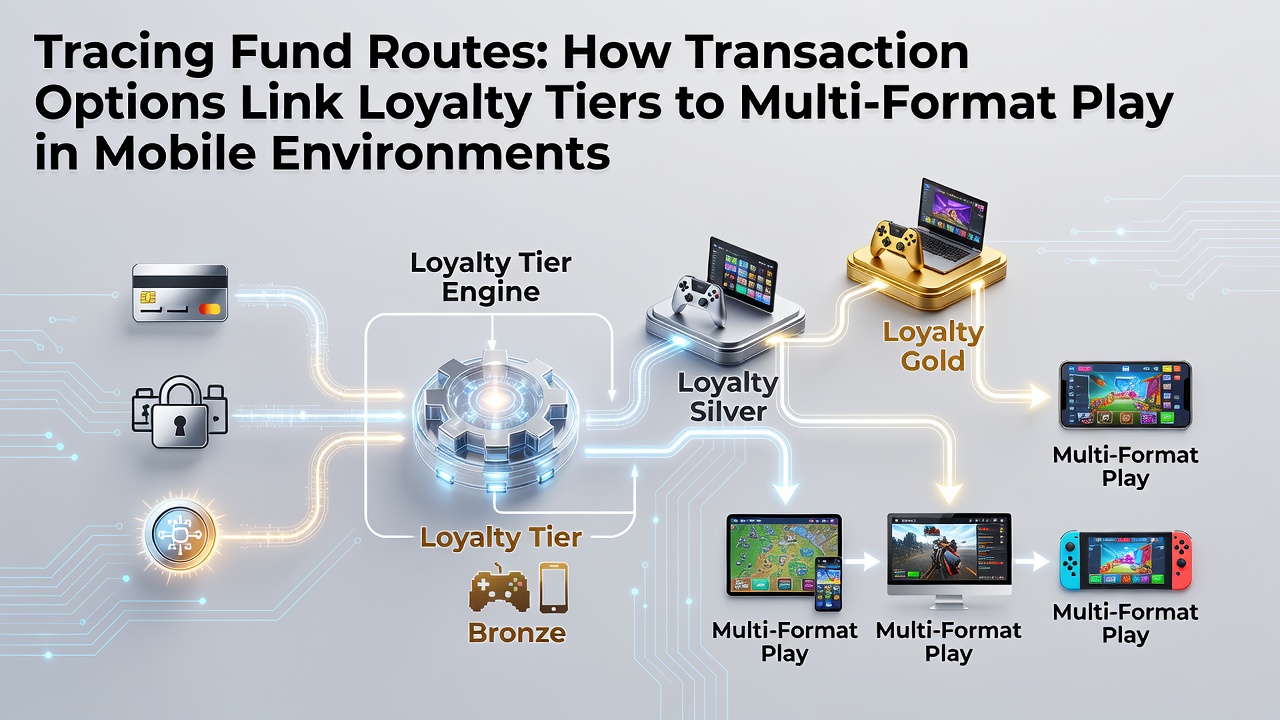
Tracing Transaction Trails: Linking Payment Choices to Loyalty Programs in Cross-Format Mobile Gaming
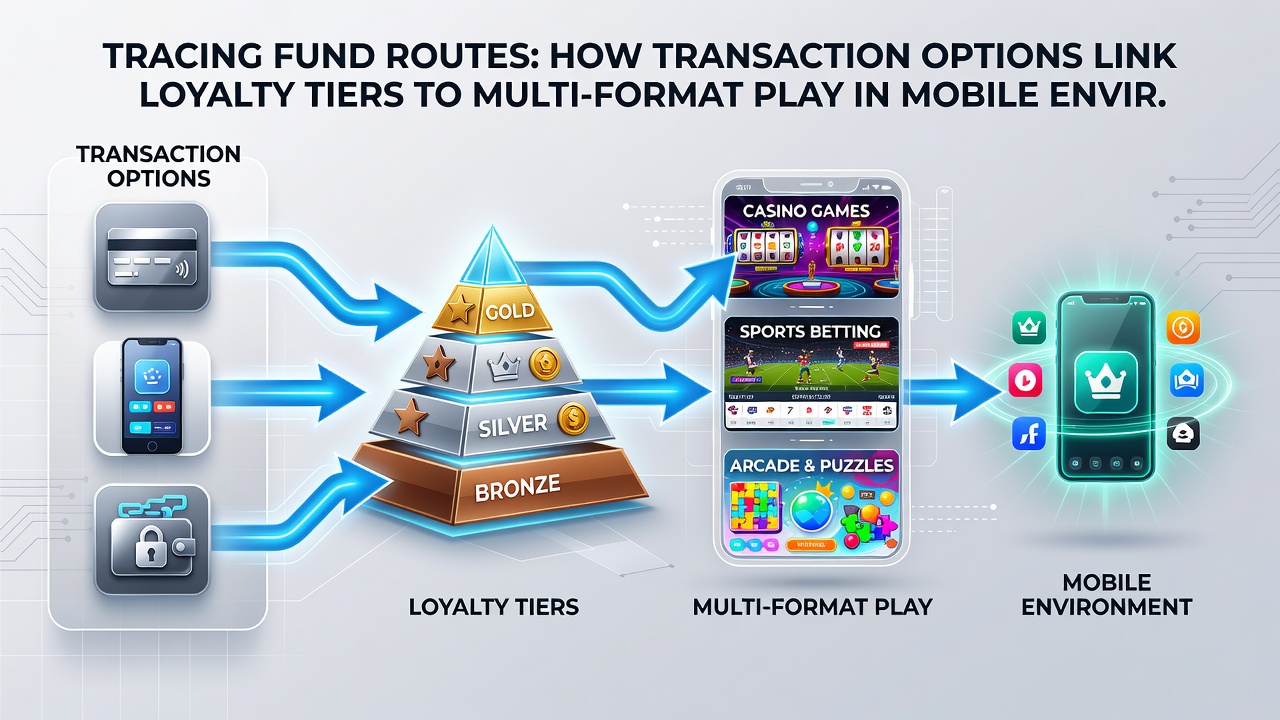
Data from multiple jurisdictions indicates that transaction options in mobile gaming environments directly influence how players accumulate and redeem rewards across slots, live dealer tables, traditional table games, and sports betting modules, with different deposit and withdrawal methods feeding into tier progression at varying rates.
Payment Method Integration Patterns
Payment processors integrate with mobile platforms through APIs that tag each transaction with metadata including game format, amount, and frequency, allowing loyalty engines to allocate points accordingly, while e-wallet transfers often receive multipliers in sports betting sections yet trigger lower accrual rates when used for slot spins alone. Credit card deposits, by contrast, frequently map to higher baseline tiers because regulatory frameworks in regions such as New Jersey require enhanced verification steps that platforms convert into loyalty acceleration.
Tier Progression Mechanics Across Formats
Observers tracking platform architectures note that bronze to silver upgrades typically require a threshold of verified deposits processed within a 30-day window, yet the same deposit routed through an instant bank transfer may count double when applied to live dealer sessions compared with automated table game play. Gold and platinum levels introduce further segmentation where withdrawal speed becomes a factor, with faster payout channels unlocking bonus multipliers that apply uniformly across mobile formats but reset if a player shifts exclusively to one game type for extended periods.
Studies conducted by the University of Nevada, Las Vegas Center for Gaming Research reveal that players who alternate between at least three formats while using the same funding method reach elite tiers 28 percent faster than those who concentrate activity in a single vertical.
Mobile Environment Constraints and Opportunities
Screen real estate and session length limitations in mobile environments force platforms to consolidate loyalty dashboards into swipeable modules that display real-time fund routing impact, and developers embed predictive calculators showing how a pending transaction will affect tier status before confirmation. Those who study user behavior data find that push notifications triggered by cross-format spending patterns increase session frequency, particularly when an e-wallet deposit made during a sports event automatically generates a prompt to apply remaining balance toward table game bonuses.
Regulatory Influences on Transaction Tagging
According to reporting from the Nevada Gaming Control Board, updated guidelines effective through late 2026 require clearer disclosure of how payment method data feeds loyalty algorithms, compelling operators to separate marketing communications from tier calculation logic. Canadian provincial frameworks administered by the Alcohol and Gaming Commission of Ontario similarly mandate audit trails that link each mobile transaction to specific game categories, thereby creating standardized data fields platforms use to automate reward distribution without manual intervention.
Industry reports compiled by the European Gaming and Betting Association document that operators who adopted unified tagging protocols across iOS and Android deployments recorded measurable increases in multi-format engagement, with loyalty redemption rates rising when players could apply accrued benefits from sports wagers directly to live dealer sessions without additional deposits.
Case Examples from Platform Deployments
One major operator restructured its mobile loyalty engine in early 2025 so that cryptocurrency deposits routed through approved wallets contributed to tier advancement at 1.5 times the rate of traditional bank transfers when used across at least two game formats within the same week. Another deployment in an Australian jurisdiction demonstrated that players maintaining consistent payment method usage while rotating between slots and table games achieved platinum status within four months on average, whereas single-format users required seven months despite comparable total spend.
Conclusion
Transaction options therefore function as connective tissue between mobile accessibility and loyalty architecture, shaping how quickly participants progress through tiers while engaging multiple game formats. Data sets from regulatory bodies and academic sources continue to map these linkages, providing operators with frameworks for refining reward allocation without altering core payment infrastructure.